Maqbool Fida Husain: A Pioneer of Modern Indian Art
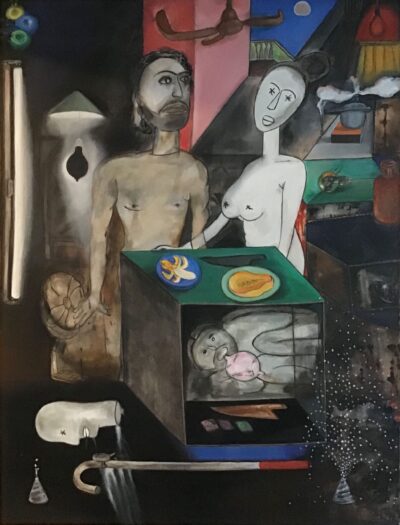
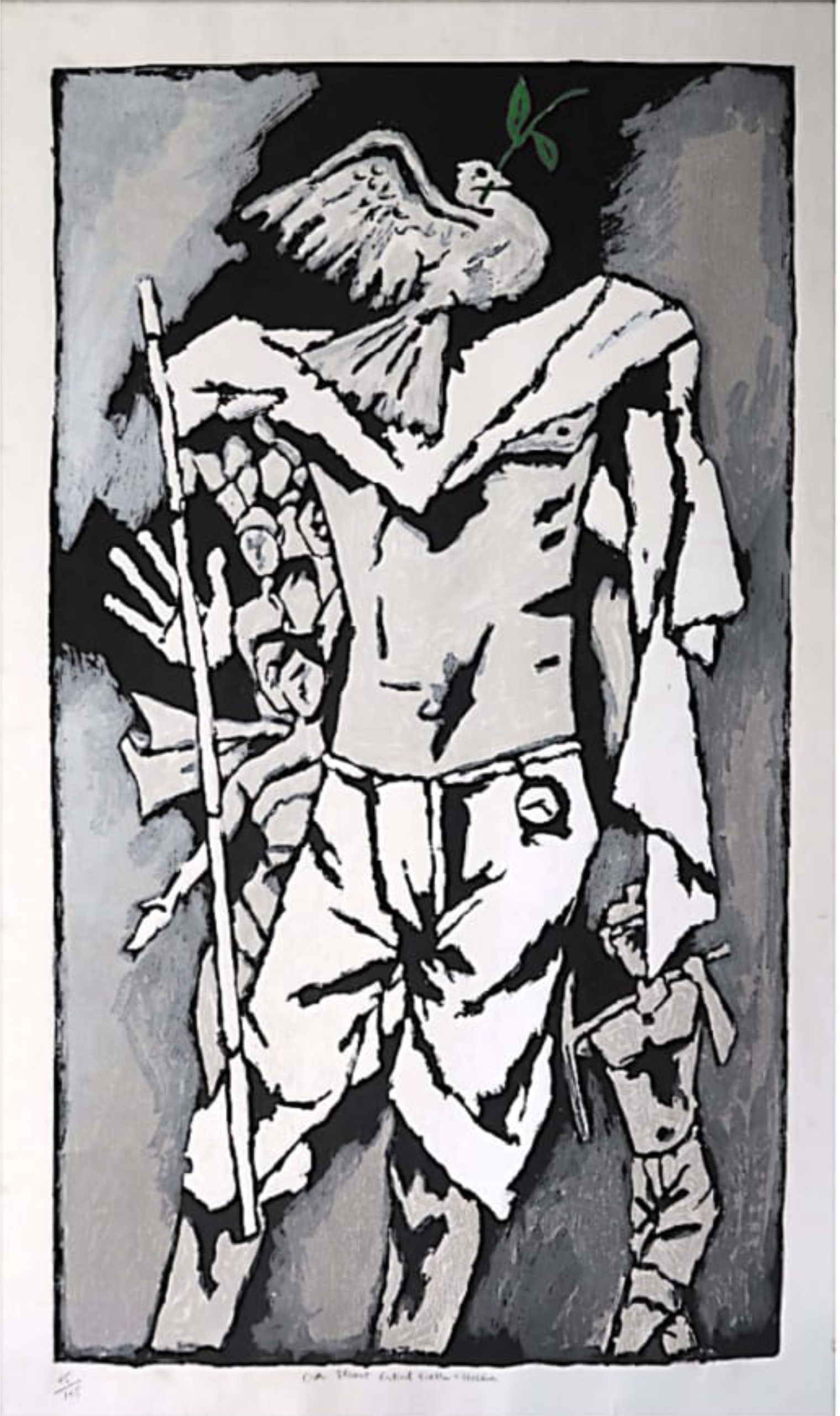
Born in Pandharpur on 17 September 1913, Maqbool Fida Husain emerged as one of the most influential figures in modern Indian art. He moved to Bombay in 1937 to pursue a career in painting, enduring early hardships by living on the streets and painting under streetlights. A self-taught artist, Husain began by painting cinema posters and hoardings, later expanding his creative practice to include toy and furniture design.
Husain was a key member of the Progressive Artists’ Group, established in 1947, which played a crucial role in redefining Indian art in the post-Independence era. His work reflected a secular and modern visual language, capturing India’s composite culture through a dynamic interplay of colour, form, and narrative.
Known for his versatility, Husain’s artistic practice extended beyond painting to include poetry, film, installation, and performance. His acclaimed short film Through the Eyes of a Painter won the Golden Bear at the Berlin International Film Festival in 1967, further cementing his position as a multidisciplinary artist of international repute.
Husain gained widespread recognition for his iconic horse paintings and thematic series on subjects such as Mother Teresa and the British Raj. His works frequently explored India’s syncretic traditions, blending mythological references with contemporary aesthetics to create a distinctive modern idiom.
In recognition of his contributions to Indian art, Husain was awarded the Padma Shri (1966), Padma Bhushan (1973), and Padma Vibhushan (1991), among the nation’s highest civilian honours.
In the later years of his life, Husain lived in exile in London and Dubai after leaving India in 2006 due to threats and legal challenges. He accepted Qatari citizenship in 2010 and remained artistically active well into his nineties. Husain passed away in London on 9 June 2011, leaving behind a profound and enduring legacy in the global art world.